
Before we move into 2017, let’s take a look some Figur8 highlights from 2016…
Figur8 Highlights
We Launched a Book!
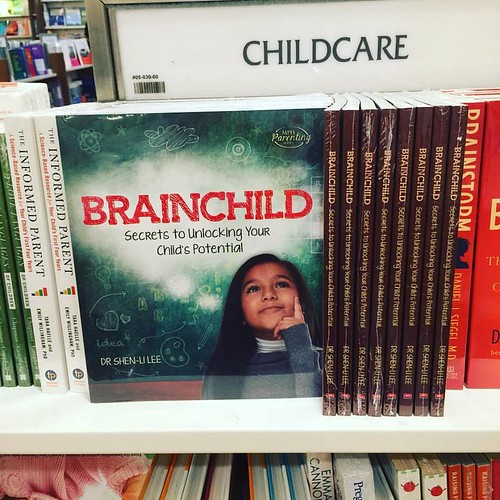
On Friday 3 June 2016, I launched my book Brainchild at Garden International School.
Top 10 Articles from 2016
Self-Regulation and the Zones of Regulation
Self–regulation is the ability to manage disruptive emotions and impulses, and to think before you react. In school, children need to be able to self-regulate to help them be ready to learn. Children whose states of arousal are too high or too low will struggle to focus on the learning task at hand. Continue reading…

Activities and Games for Developing Executive Function
Executive Functions help children succeed academically and in life. It is a better predictor of success than IQ. So I’ve been thinking a little harder about ways to help the children improve these skills. There is an old proverb often mistakenly attributed to Benjamin Franklin, but it goes like this: “Tell me and I forget. Teach me and I may remember. Include me and I will learn.” Continue reading…
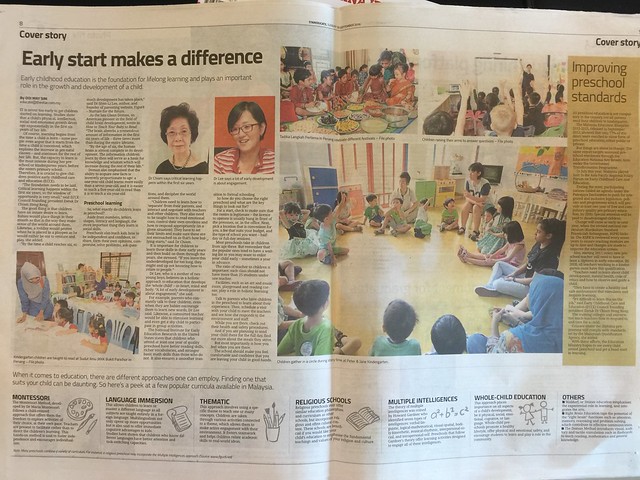
Early Start Makes a Difference
I was honoured to be interviewed by The Star Education to talk about the importance of early childhood education. The article appeared in the papers today. If you’ve been following this blog for a while, you will know that we are big advocates for early childhood education and development. Continue reading…
The Keys to Unlocking Students’ Problem-Solving Skills
One of the most challenging aspects of education is that we cannot predict what the world will be like when our children grown up. The best skill we can equip them with is the ability to handle change. That, and the ability to solve problems. No matter how the world changes, I think we can safely agree that problems will always exist to be solved, and it will be the individuals capable of solving these issues that will succeed. Continue reading…
Executive Functions Help Children Succeed
Executive Functions help children succeed academically and in life. They may even be a better predictor of success than IQ. They are important for
- success in school and in the workplace
- making and keeping friends
- marital harmony
- avoiding things like unplanned pregnancy, substance abuse, or driving fatalities
Learning Support for Reluctant Learners and Additional Needs
How can we support our reluctant learners and children with additional needs? The following resources provide some handy tips we can implement in class and at home. Continue reading…
Growth Mindset Tools for Children
We’ve written a lot about the Growth Mindset in Education and why it is important for helping children to do well in school. Part of helping children develop their growth mindsets is helping them understand how their brains work and what the growth mindset is all about. So here are some terrific resources that speak to children. Continue reading…
Mindfulness Enhances School Performance
Although the practice of mindfulness meditation has been around for a while, it is only in recent times that it has begun to gain traction in schools. As more research builds up to support the case for mindfulness, more schools are beginning to incorporate mindfulness into the curriculum. Continue reading…
Self-Control Precedes Success
“Self-control precedes success” was what one of my school teachers always used to say. The real meaning of the adage used to fly right over the top of my head. It wasn’t until I learned about Walter Mischel’s famous marshmallow study that I finally understood what she meant. Continue reading…
Raising Readers
There are two things that most people often comment on when they meet my boys – their reading proficiency and their reading habits. The question that commonly follows after that is how I got them to this level. Continue reading…
More Popular Articles from 2016
- Successful Kids Have Strong Social Skills
- Supporting Handwriting Development
- Reading Makes Children Smarter
- Grit: the Power of Passion and Perseverance
- Focus: Are You Paying Attention?
- How Nature Benefits Our Children
- Adversity: Why Children Need It
- Encouraging Creativity in Children
- Mental Toughness and Resilience
- Minecraft Education in the Classroom
All-Time Top Articles
Our all-time top articles are still mostly from our Right Brain Education Series:
- Right Brain Activities for Home Practice – Part 1
- How to Teach Math Using Shichida’s 65 Day Program
- The Top 3 Right Brain Schools
- Right Brain Education Articles
- Quantum Speed Reading for Adults
And these are our all-time top non-RBE articles:
- Maslow’s Hierarchy of Needs and How it Relates to Your Child’s Education
- Extra-curricular activities: The Benefits of Drama and Musical Theatre
- Life Skills: The Benefits of Perspective Taking
- The Benefits of Art Classes and Clay Modelling
- The Importance of Imaginative Play
Top articles on brain training and brain development:
- The Brain Benefits of Playing with Jigsaw Puzzles
- Getting the Most Out of Your Brain Training
- Playing Mah Jong is Good Exercise for Your Brain
Welcome to 2017!
As we begin a new year in 2017, we would like to thank all our readers for your ongoing support! We hope you will stay with us in 2017 (at the new location of our blog) as we continue our adventures in education and child development to discover how we can nurture successful children in the 21st Century.
 Nurture for the Future